White Night: Monochrome survival-puzzle set in 1930s noir
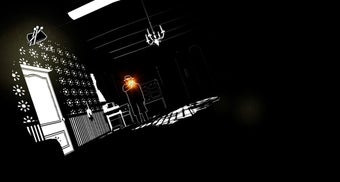
White Night, developed by OSome Studio, is a narrative-driven survival horror puzzle that places the player in a deserted mansion after a car crash. The game focuses on exploration, environmental problem-solving, and piecing together a 1930s-era mystery through found documents and journals. Its overview highlights cinematographic camera framing, a stark black-and-white presentation, and light-as-tool mechanics. Fans of slow, atmospheric adventure and detective-style puzzle play will find a focused, story-centred experience.
What kind of game is White Night?
In this game the player moves through an abandoned estate, combining investigative exploration with puzzle solving and environmental storytelling. Encounters do not rely on combat; threats function as hazards to avoid or banish by manipulating illumination and positioning. The narrative unfurls through discovered papers and scattered testimony, so progression rewards attention to detail and curiosity rather than reflex-based skill.
Does it have a multiplayer mode?
Inside the mansion the experience is single-player only, designed for solitary sessions that emphasize atmosphere and careful decision-making. Progression uses deliberate checkpoint placement: you can save only at specific lit seating areas after following the in-world ritual. That save system and the solitary framing reinforce a measured pacing that privileges methodical exploration over fast-forwarded action.
What does the game look and sound like?
When it comes to presentation, contrast and sound set the tone. Lit zones reveal textures while dark spaces become negative space that conceals shapes; enemies register as shifting silhouettes rather than detailed figures. The score leans on period jazz motifs and sparse arrangements to punctuate moments of tension. Interface elements remain minimal, relying on environmental cues and a small inventory display to inform the player.
Is it hard to get started?
New players meet mechanics through discovery, not explicit tutorials; early areas teach through designed encounters and placed clues. Puzzle difficulty ranges from observational riddles to multi-step environmental solutions, so the learning curve rewards pattern recognition and patience. The game asks players to slow down and map the mansion mentally, a design choice that suits investigative players but may frustrate those expecting immediate action or constant guidance.
Who should play White Night?
White Night is a measured choice for players who prefer investigative, atmosphere-first adventures and enjoy connecting narrative fragments. It favors careful exploration and thoughtful pacing, making it well suited to those who like slow-burn mysteries. Players seeking fast action or continuous hand-holding should look elsewhere; the game rewards patience and attention to detail rather than quick reflexes.